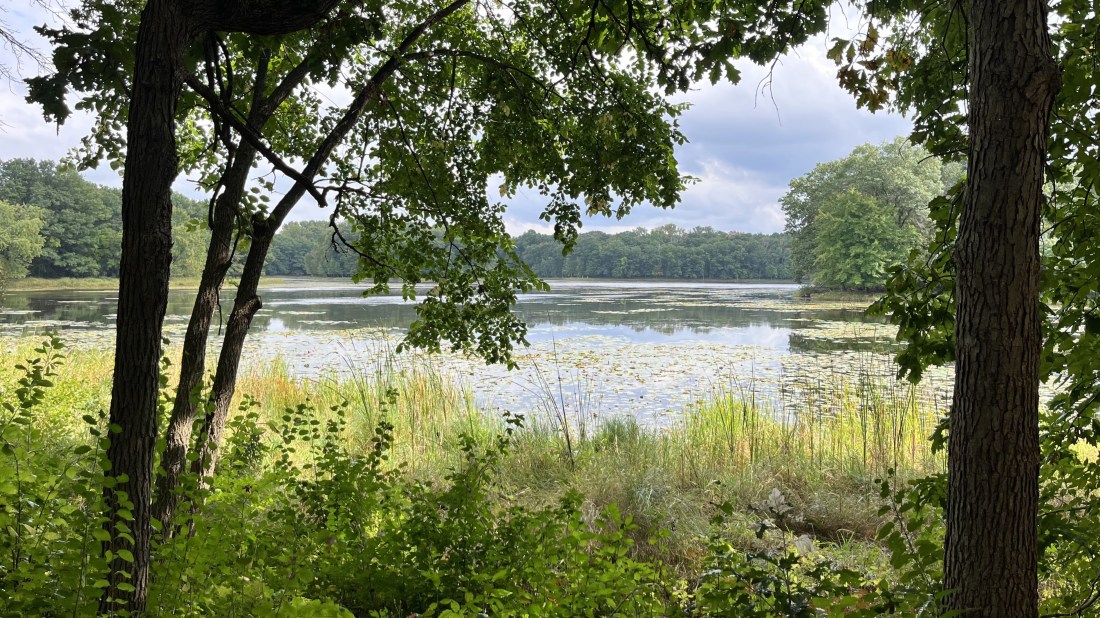
“When we moved to Long Lake in 1975, we found a watershed that was largely rural and a lake that was full of life,” writes Stillwater resident Lee Miller in a lake restoration plan developed in 2006. Miller goes on to talk about migratory warblers, river otters, deer, turkeys, salamanders, and coyotes that once called the lake home, as well as the impacts of development, stormwater pollution, and other local changes that negatively impacted Long Lake during the 1970s-90s. By 2002, water quality had declined so much that Long Lake was officially classified as “impaired” by the Minnesota Pollution Control Agency (MPCA).
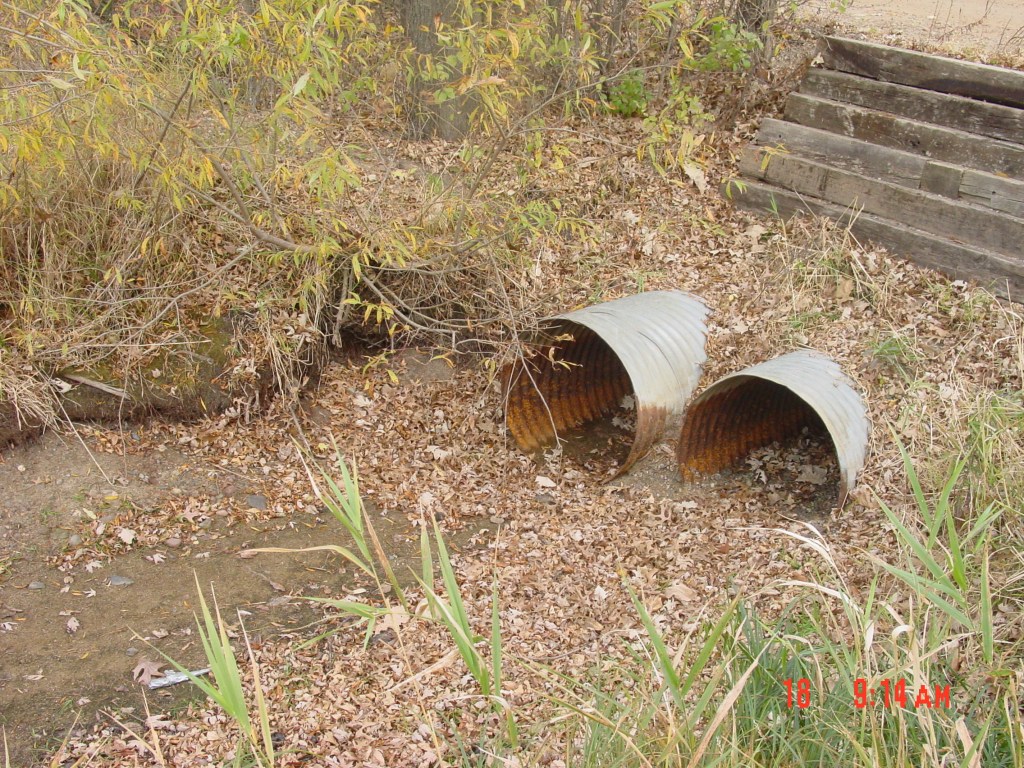
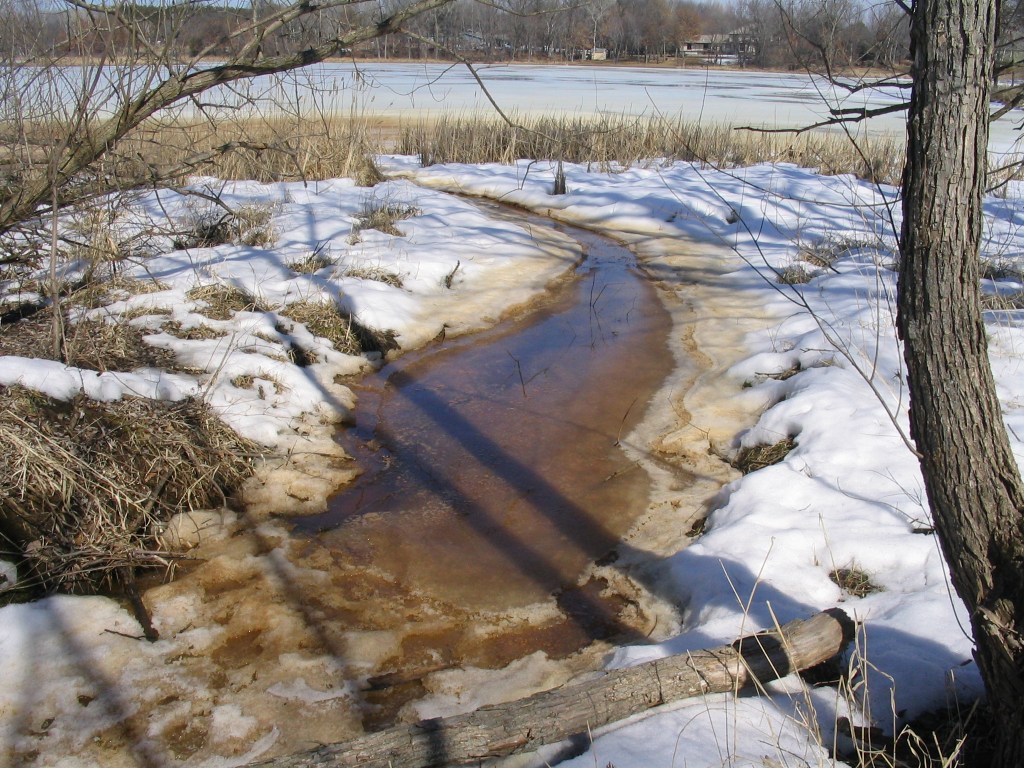
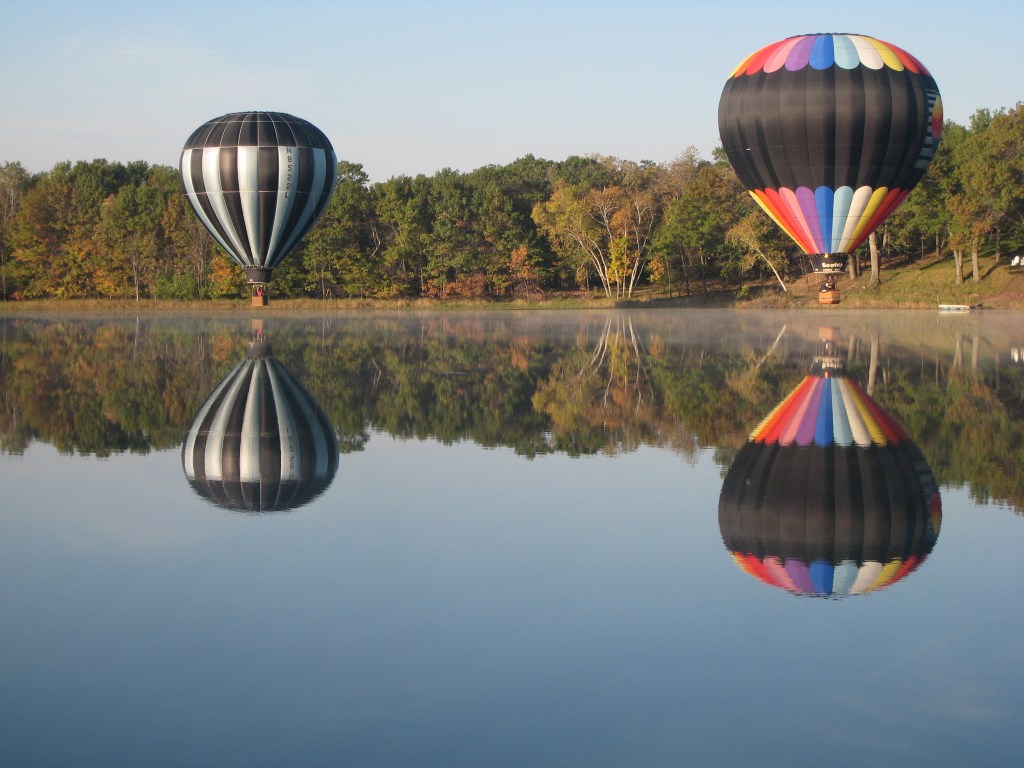
Today, after two decades of collaborative work between the Brown’s Creek Watershed District, City of Stillwater, and local landowners, Long Lake is once again a mecca for birds and wildlife.
“The lake has really taken a turn for the better over the past ten years,” explains Karen Kill, who has served as the Brown’s Creek Watershed administrator for more than 20 years. Between 2006 and 2016, the watershed district completed more than 100 stormwater treatment projects that have removed 150 pounds of phosphorus from the subwatershed draining to Long Lake. “In 2017, water quality improved enough that Long Lake began supporting aquatic plants and the lake received a grade of “C” on the district’s annual report card. For the past five years, Long Lake’s grades have inched their way up to Bs and B+s, and we’re now talking with the MPCA about removing it from the state’s impaired waters list in 2028.”
Also, the lake has a lot of plants.
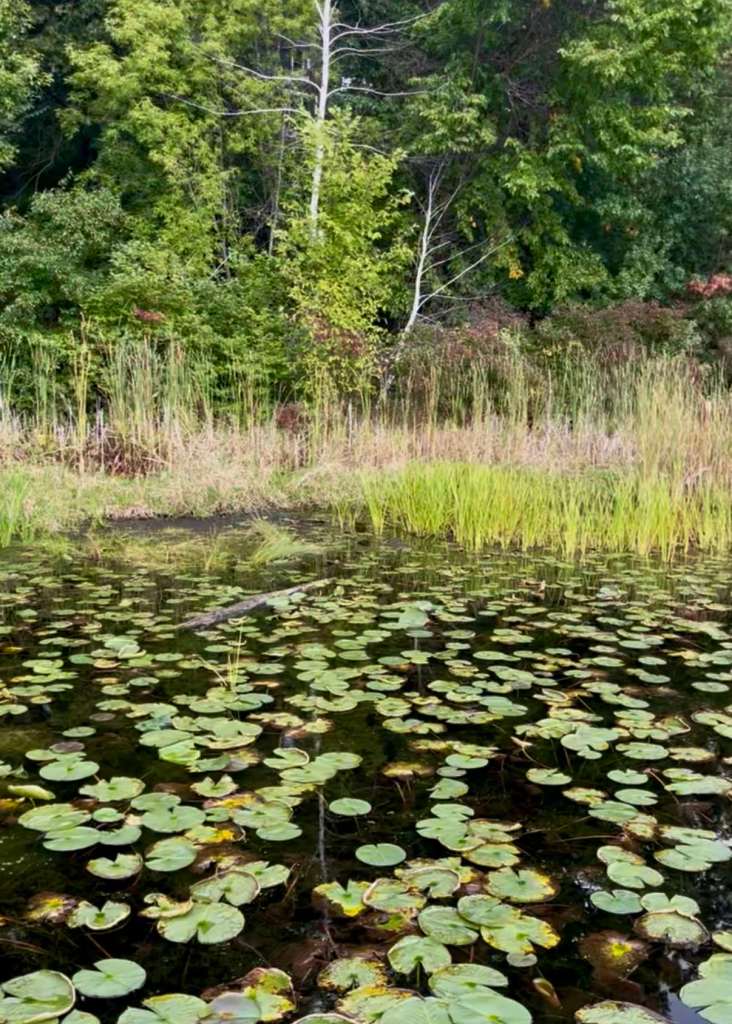
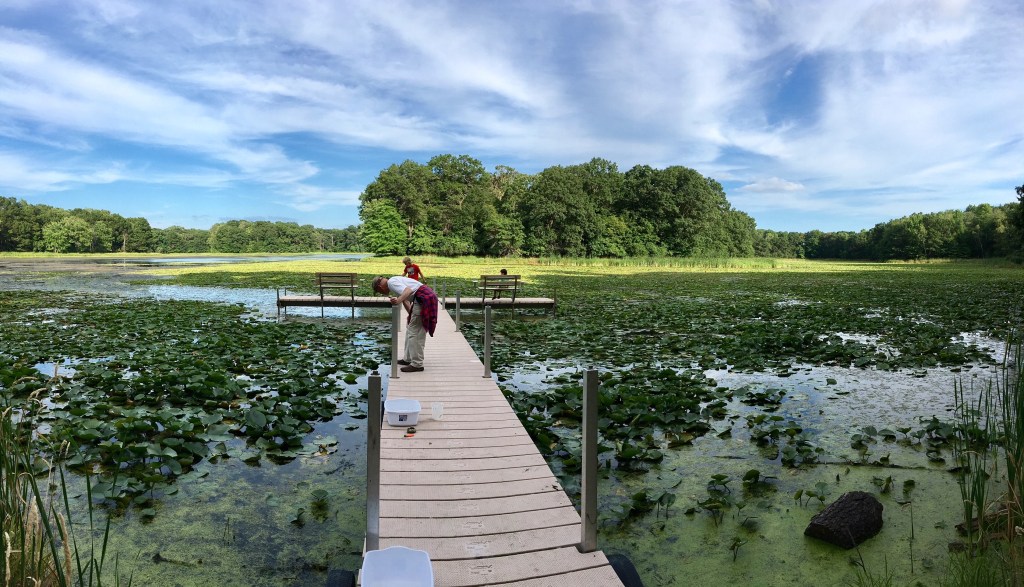
“When residents look at the Long Lake, they might just see lily pads,” says Kill, “but there is an incredible amount of diversity within the aquatic plants in the lake and actually even two different types of lilies.”
Last year, the watershed district worked with Jimmy Marty of EOR Inc. to conduct an aquatic plant survey on Long Lake and were pleased to find an abundance of native species. “Long Lake scored above the average regional summary score for aquatic plant communities and was one of the highest scoring lakes in the District for vegetation quality,” writes Marty. In addition to finding the southernmost occurrence in the entire state of a formerly state-listed rare species – Vasey’s pondweed – Marty also noted that there was very little invasive Eurasian watermilfoil or curly-leaf pondweed and that native plants appear to be outcompeting the invaders.
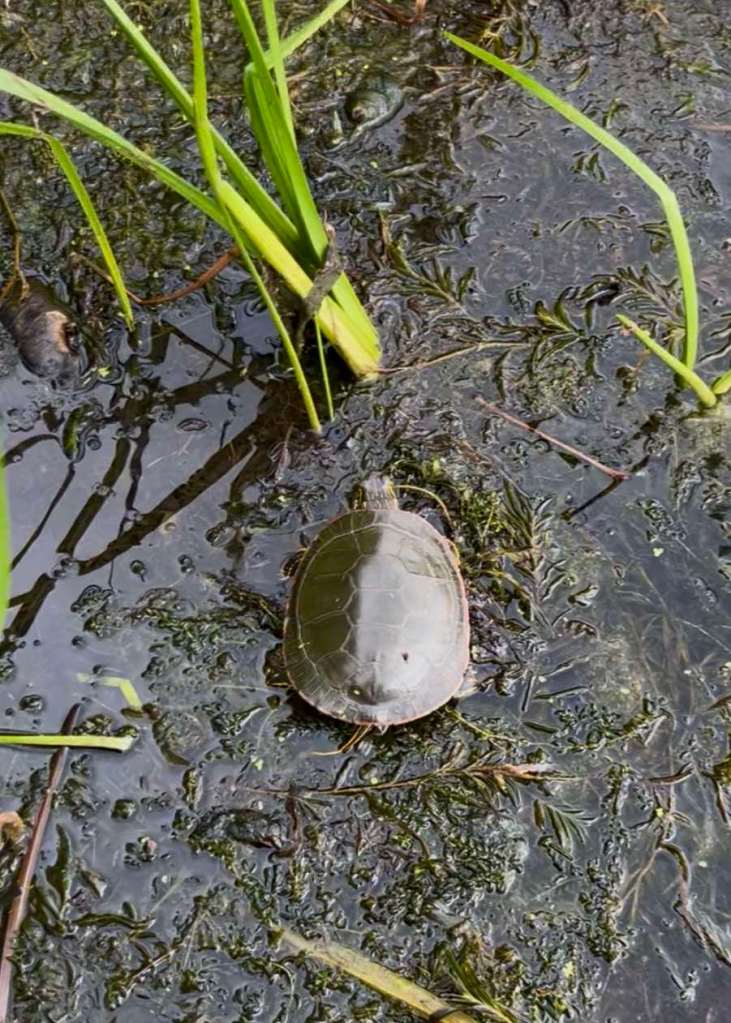
Though the aquatic plants can impede recreation, Kill notes that they are good for water quality, help to protect downstream water bodies, and support turtles, frogs, and migratory birds. “It’s going to take time, but now that the lake is at a healthy state again, there should be gradually less native plants over time,” she explains. “That said, it’s a shallow lake, so we’re either going to be unhealthy and full of algae or healthy and abundant with plants.”
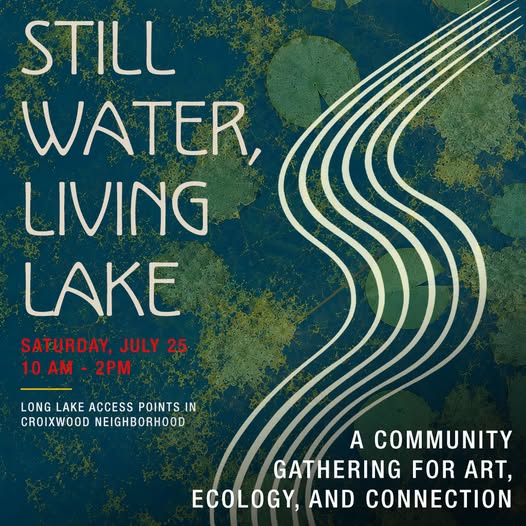
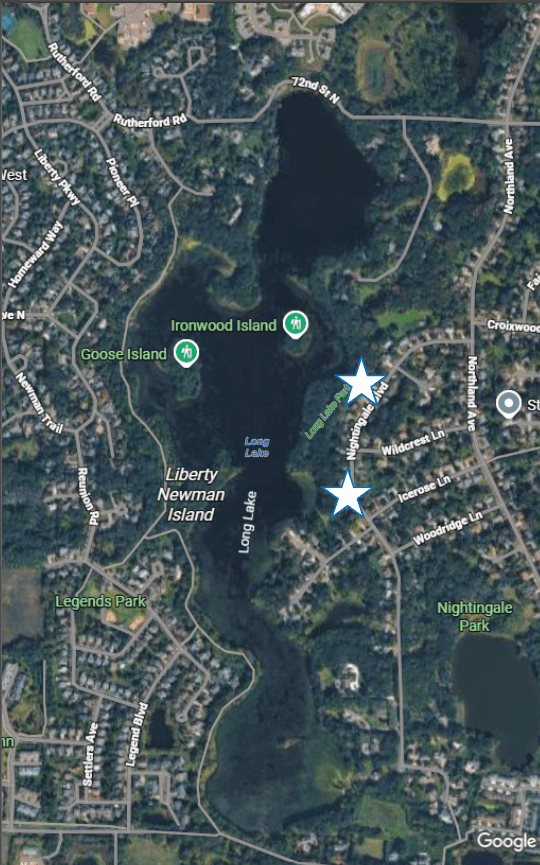
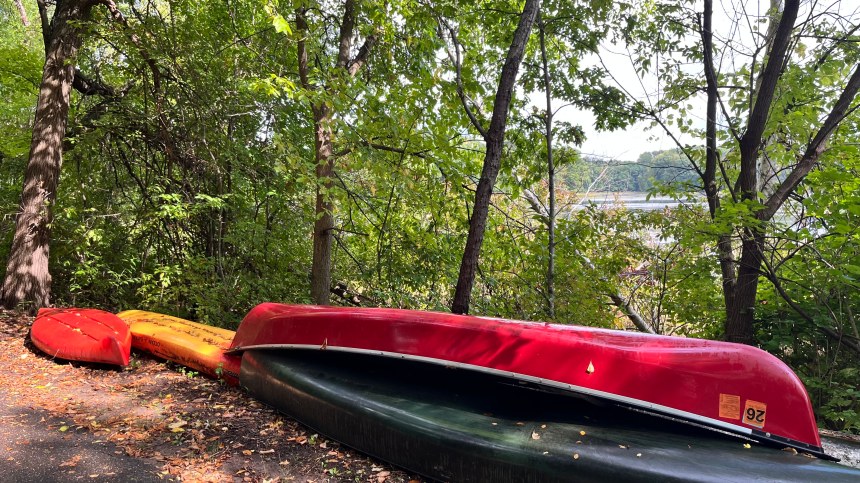
This weekend, Brown’s Creek Watershed District will host an interactive event called Still Water, Living Lake that is intended to bring community members up close and personal with Long Lake in new and creative ways. The free event will be held on Saturday, July 25 from 10 AM–2 PM at the Long Lake trailheads on Nightingale Blvd in the Croixwood neighborhood of Stillwater and will feature activities led by local artists and Brown’s Creek biologists. Artist Jennifer Awes Freeman will be guiding participants in making pigments and prints with plants from the lake, while Playdoh Kolo will lead a drop-in workshop where participants create small “lake beings” using natural and reclaimed materials. Sharon Mansur will also lead a contemplative 0.3-mile walk along the lakes that invites participants to slow down and connect with the natural environment through movement, observation, mindfulness, and creative writing. Last, but not least, Jimmy Marty will be there to talk about aquatic plants and demonstrate how the district conducts its aquatic plant surveys.
“We’re trying to share the story of Long Lake, says Kill. “Where is it coming from, where is it going, and what are some of the points of pride?”
There is no registration required for Still Water, Living Lake, but you can learn more at bcwd.org/still-water-living-lake.


